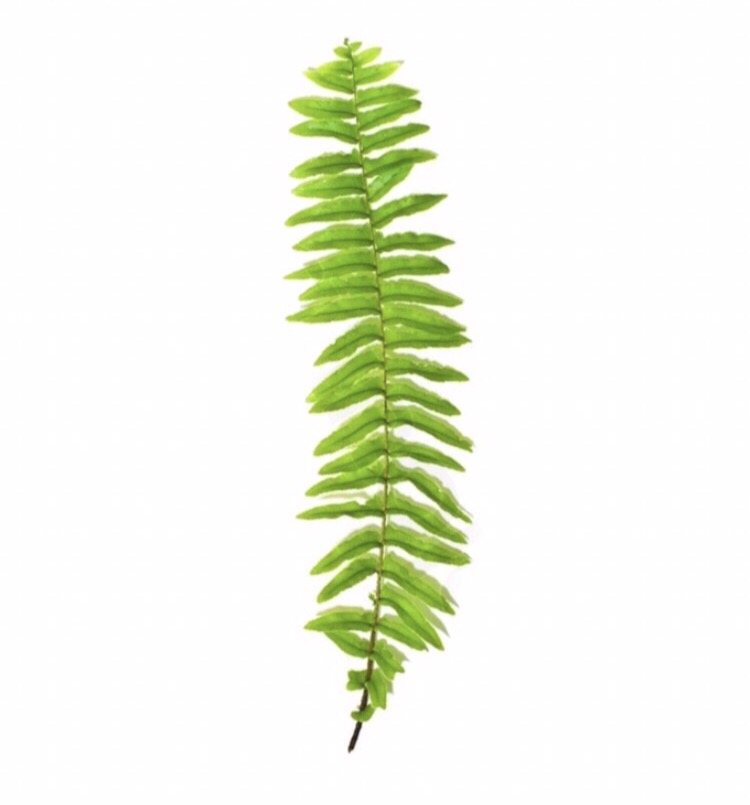
Pūkiawe
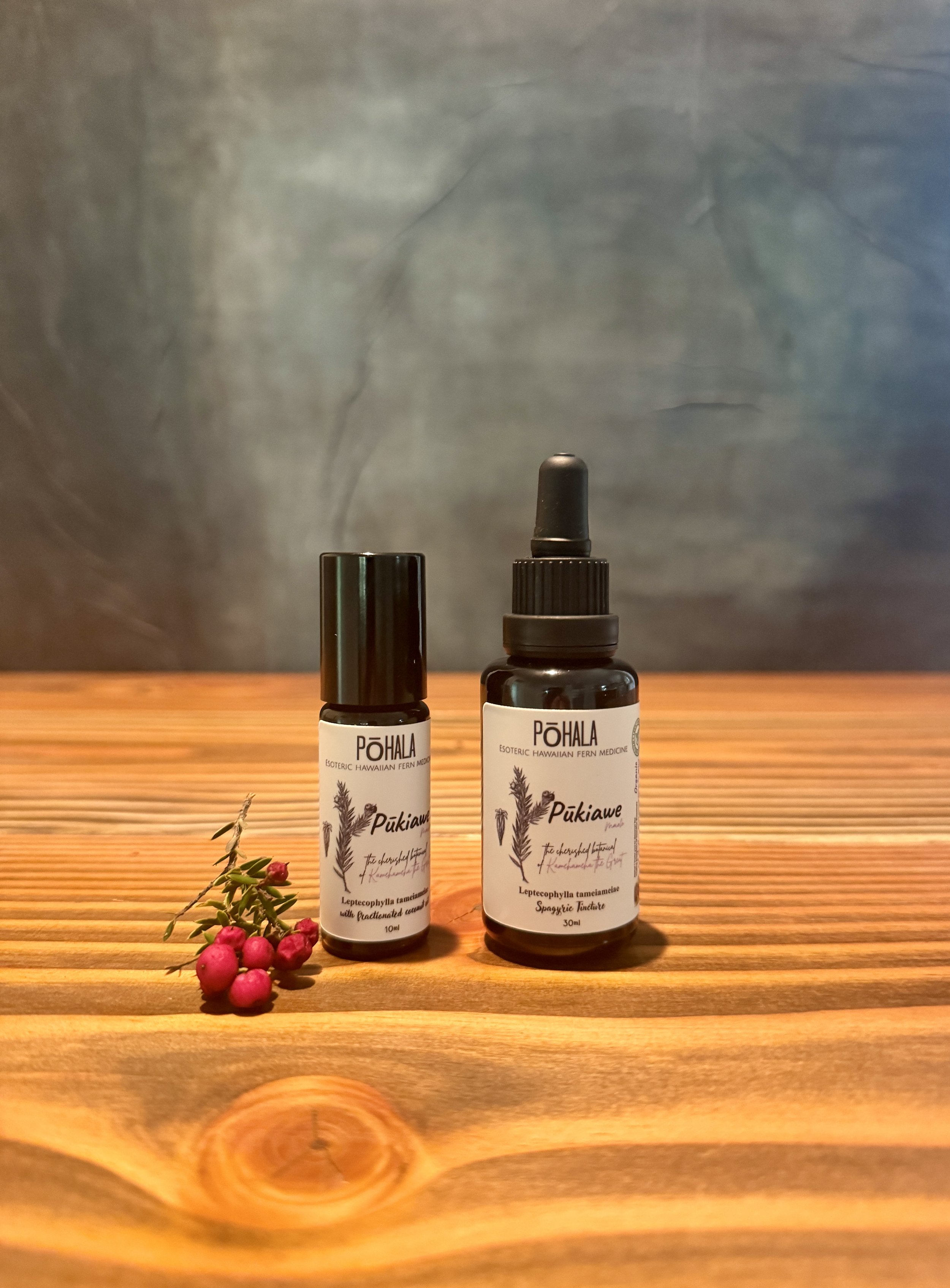
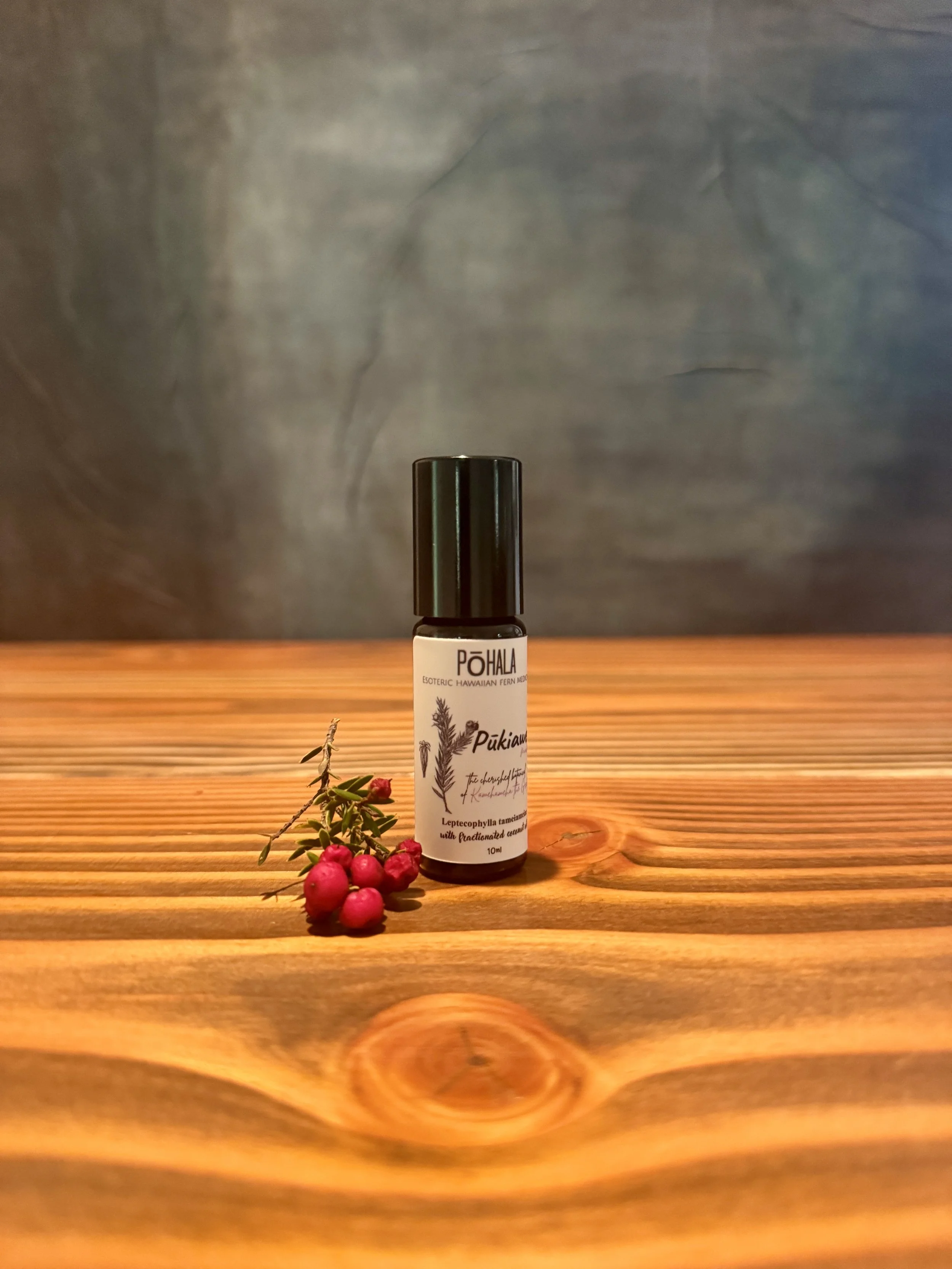
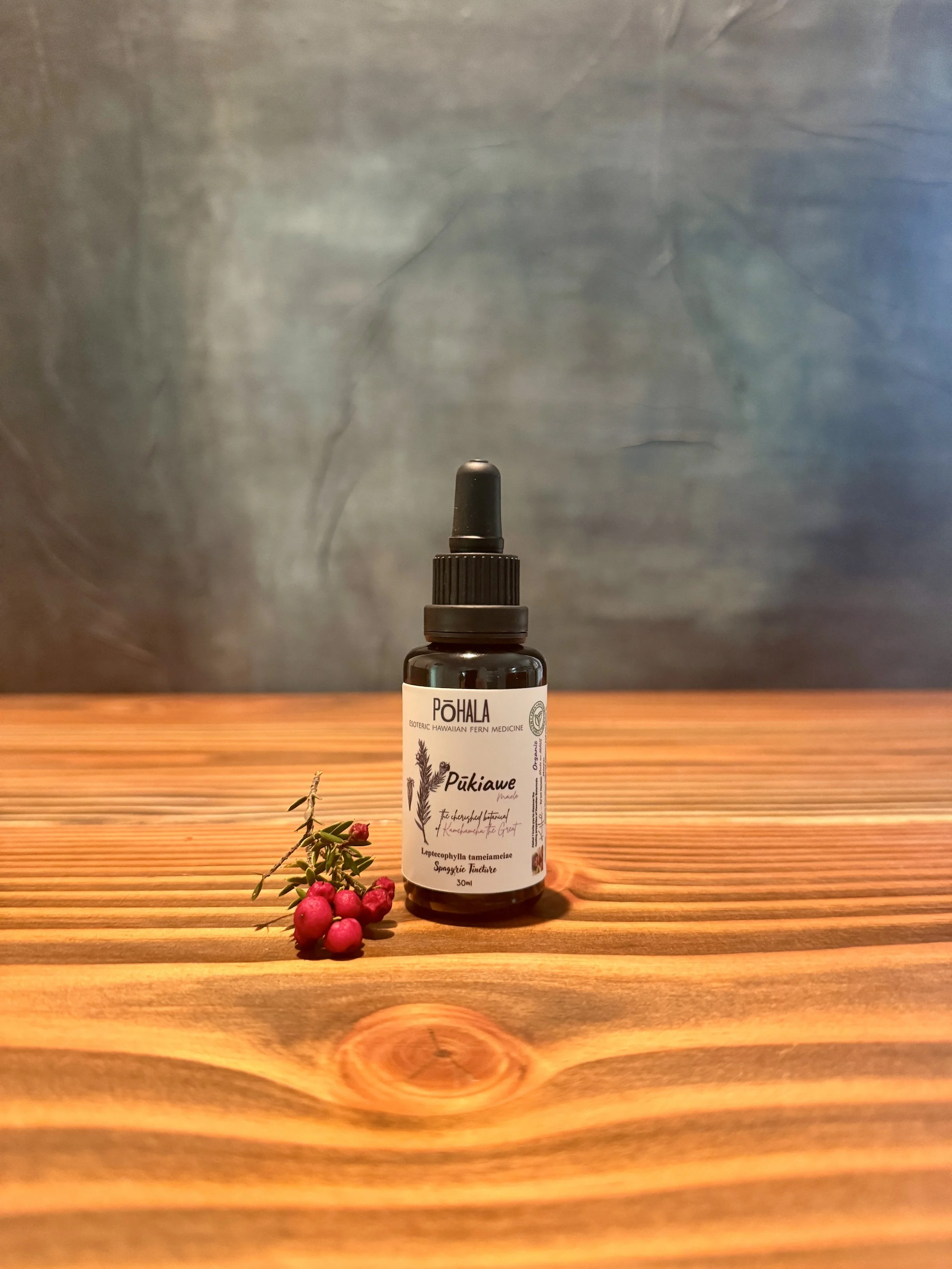
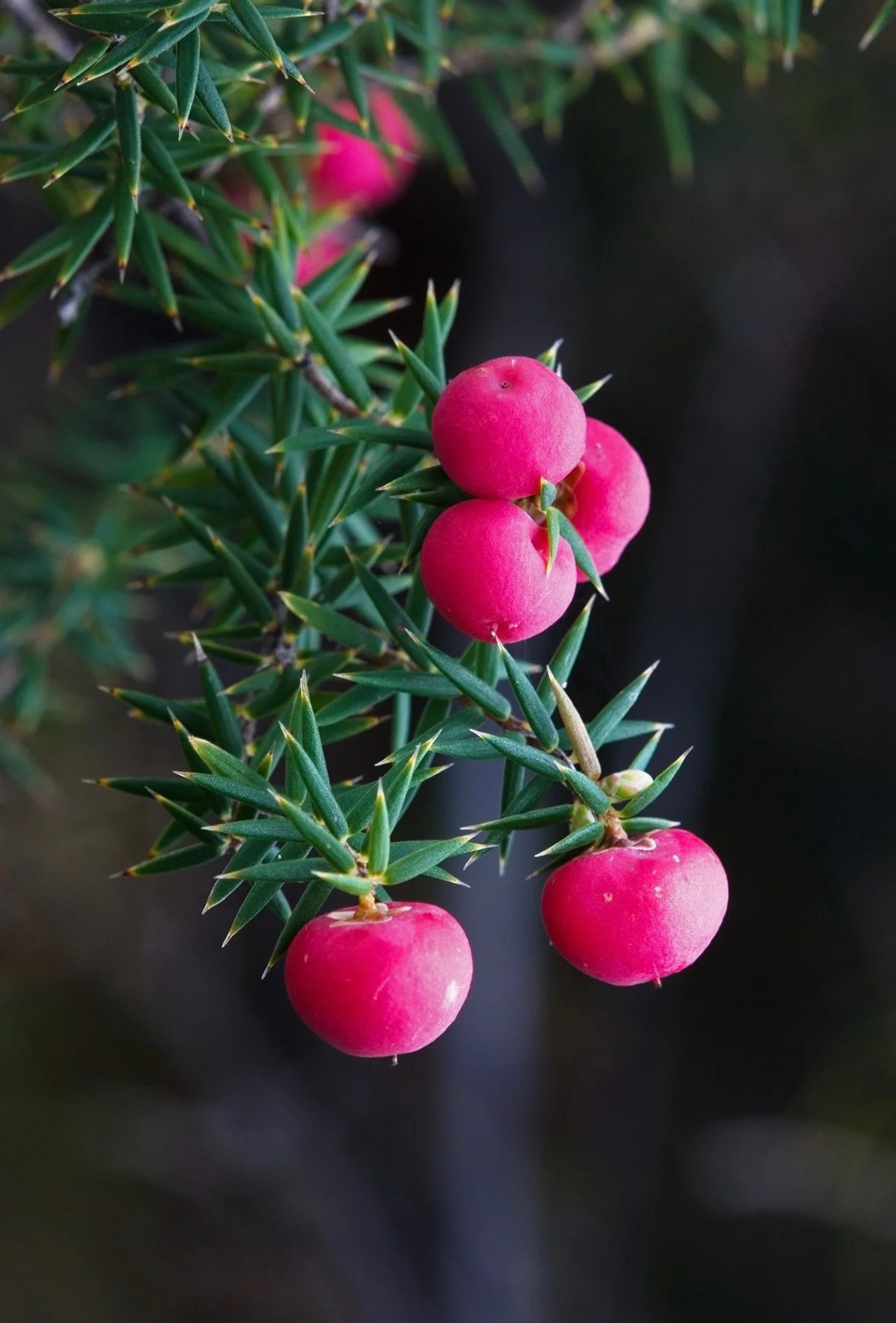
Pūkiawe
Pūkiawe, Leptecophylla tameiameiae, is one of the most ceremonially significant botanicals of the Hawaiian people.
Of its many correlations, Pūkiawe is widely believed to be a bone stimulant, gently nurturing the marrow as it supports the production of blood that has distinguished lineages and served as a primary source of Mana, the vital life‑force.
In humbled collaboration with la’au Pūkiawe, we are honored to share this incredibly rare lapaʻau of a highly cherished and sacred plant medicine of the native Hawaiians. King Kamehameha the Great is said to have traveled with Pūkiawe, never being without it. He attributed his astonishing access to the lineage, and the Mana of his ancestry, to his partnership with Pūkiawe. It is told that he underwent daily rituals with kahuna smudging his body with the smoke from burning Pūkiawe as he bathed. This ceremony of dispensation drew out and reinforced his ancestral authority. The plant is believed to have the power to stimulate one’s bones so as to access ancestral knowledge and memory. We are a collective called to remember the ancient rites and prayers of our kupuna, and regardless of your own genetic, or ethnic, line, Pūkiawe can offer a revival of lineal memory while also supporting the integrity of your bones and blood.*
offered as both a topical body oil and a ingestible spagyric tincture
Body oil is the result of both steam distilled extraction of Leptecophylla tameiameiae and also the solvent extraction method. Both procedures are combined to offer a uniquely potent essential oil and resin which is diluted with organic fractionated coconut oil.
Body oil comes in a 10ml glass MIRON vessel with roller. Shelf life of body oil, depending on storage, is 12-24 months. Keep in cool, dry area as much as possible.
apply as desired.
Aroma is likened to Cranberry
Spagyric tincture is produced through the traditional maceration of Leptecophylla tameiameiae in food‑grade alcohol derived from fermented noni fruit. After the liquid extraction, the remaining plant material of Leptecophylla tameiameiae is carefully burned and calcined according to the spagyric method; the resulting mineral crystals are then returned to the tincture, thoroughly mixed, and thus yield a finished, formally prepared spagyric tincture.
Spagyric Tincture comes in a 30ml glass MIRON vessel with dropper. Shelf life of spagyric tincture is 24 months. Keep in cool, dry location.
Dosing of Spagyric tincture is for each person to discern. Please READ our section on Medicine as a Ceremony for fun recommendations.
PŪKIAWE, Leptecophylla tameiameiae, is foraged, and received, with highest of regard, and consent, from the wilds of Maui island. The alchemical process of procuring the medicine is done so in ceremony utilizing traditional methods, prayers, and protocols. Mahalo Nui.
Pūkiawe, Leptecophylla tameiameiae, is indigenous to Hawaiʻi and presents itself as a flowering shrub that can reach heights of up to about 15 ft. It bears small, prickly leaves and produces attractive little berries in shades of white, pink, and deep red. The berries are generally not eaten by people—though they are not considered poisonous—and are more commonly enjoyed by the Nēnē. Humans have found creative uses for the tiny fruit, such as mashing them into salves or drying and burning them. The shrub dries relatively quickly, making Pūkiawe well suited to use as a smudge stick, and its fragrant smoke made it a frequent component of ceremonial practice. Pūkiawe was sometimes placed on pyres to help purify bones so the deceased might receive safe passage from the earthly realm. Wehi, adornments of Pūkiawe were also worn by those of high mana when meeting strangers—people whose genealogy was not known—to protect and preserve the strength of the lineage. There are many other botanical and cultural uses not detailed here. For ceremonial purposes, Pūkiawe was among the most respected and highly regarded plants in traditional Hawaiian life.
*statement not approved by FDA